What this blog helps you do
Build practical AI Engineering confidence in small, clear steps.
For software engineers moving to AI
Every article is designed to help you move from “I understand concepts” to “I can build and explain production-ready AI workflows.”
750+
Learners
10+
Years
4.8/5
Rating
100+
Guides
Build practical AI Engineering confidence in small, clear steps.
No vague trend posts. You get implementable system-focused guidance.
Read 2–3 guides, then join the WhatsApp community for hands-on support.
Use these as the next step after reading. All resources are free and community-driven.
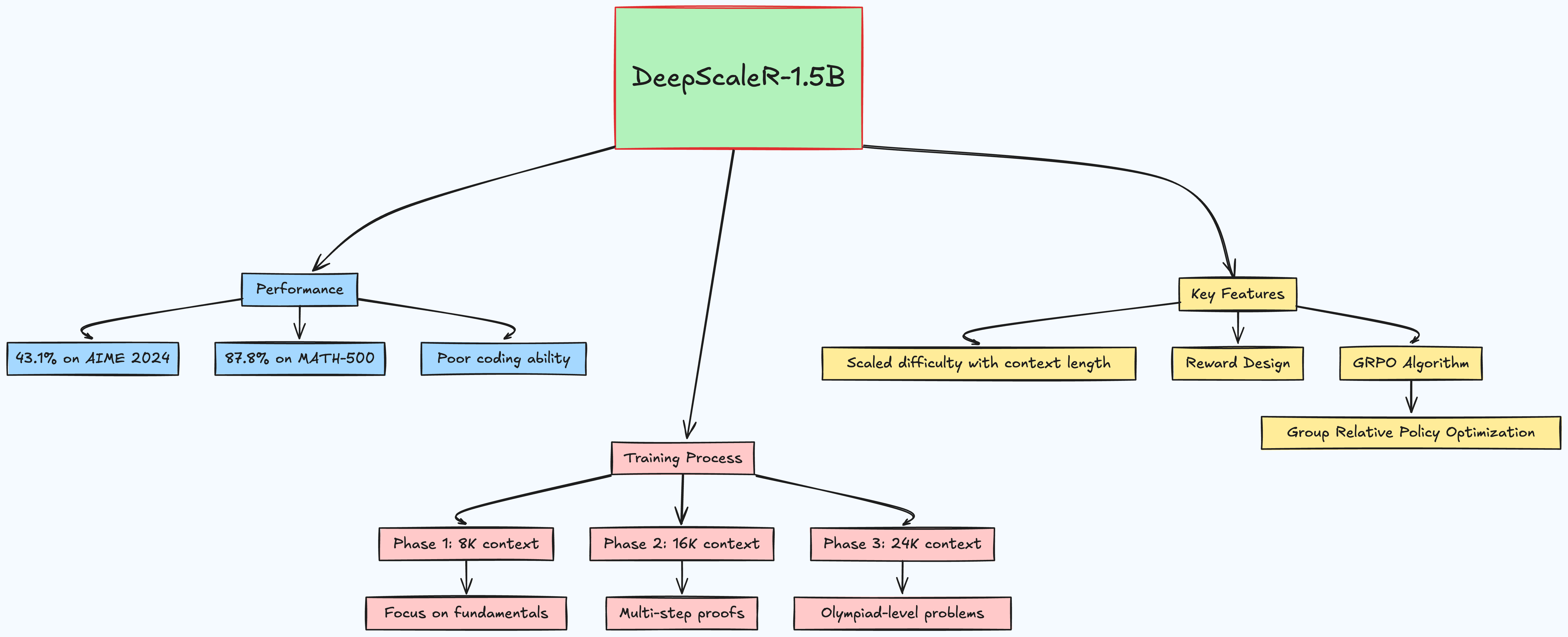
DeepscaleR, an open-source model demonstrates how reinforcement learning (RL) can unlock exceptional performance in small models through innovative scaling strategies. Let’s dive i...
Join 750+ engineers in the WhatsApp community. Weekly live sessions, 63 open-source notebooks, and real architecture discussions.
Keep reading. Keep building.
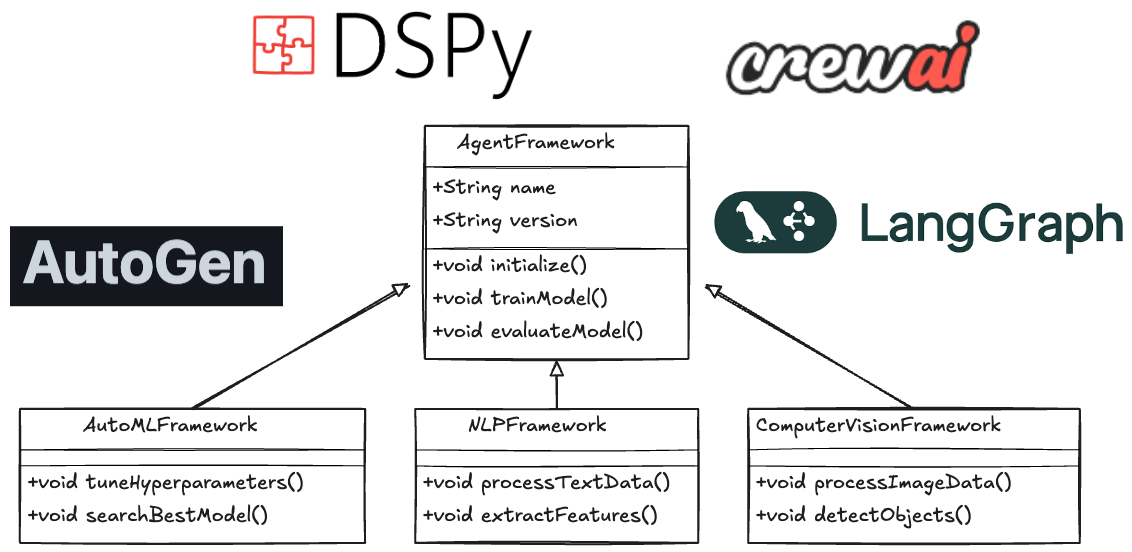
This article compares DSPy with these frameworks across cost, learning curve, code quality, design patterns, tool coverage, and en...

Deploying Large Language Models (LLMs) like GPT-4, Llama 3, or Mixtral for real-world applications demands careful optimization to...

Machine learning (ML) isn’t magic; it’s a series of carefully orchestrated steps designed to transform raw data into predictive po...

Autoregressive Integrated Moving Average (ARIMA) is a statistical method for analyzing time series data. It's a powerful tool for...

Research Methodology is the systematic plan or process by which researchers go about gathering, analyzing, and interpreting data t...

The paper titled "BitNet a4.8: 4-bit Activations for 1-bit LLMs" introduces a novel approach to enhance the efficiency of 1-bit La...

Principal Component Analysis (PCA) and Kernel Principal Component Analysis (KernelPCA) are both techniques used for dimensionality...

OpenAI, the artificial intelligence startup supported by Microsoft, is reportedly preparing to launch its next significant AI mode...
MLOps Steps for a RAG-Based Application with Llama 3.2, ChromaDB, and Streamlit